

By: Siti Sarah Ahmad Zubdi, Nurul Aini Abdullah, Eimiza Faisha Azmi
NANJING, 24 June 2026 – A delegation from Universiti Pendidikan Sultan Idris (UPSI), led by Deputy Vice-Chancellor (Research and Innovation), Prof. Dr. Suriani Abu Bakar, conducted a strategic educational visit to Nanjing, China, to explore potential collaborations in educational technology, artificial intelligence (AI), and innovative school development.
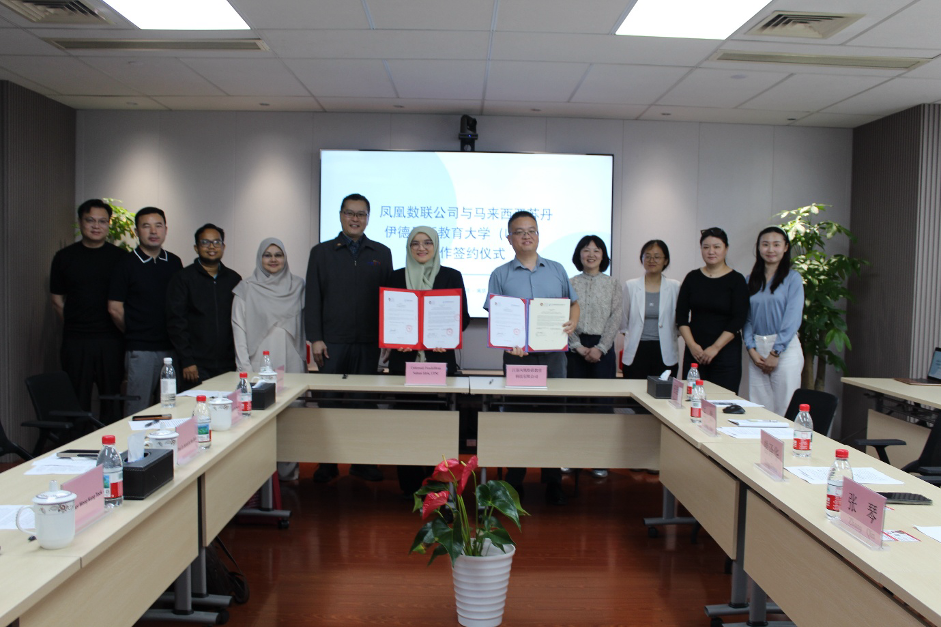
The visit commenced with a meeting at Jiangsu Phoenix Digital Education Co., Ltd., where both parties exchanged a Letter of Intent (LoI) and discussed opportunities for cooperation in digital education solutions, smart learning technologies, and future education initiatives. The delegation was also briefed on the company’s latest innovations in digital learning and educational content development.
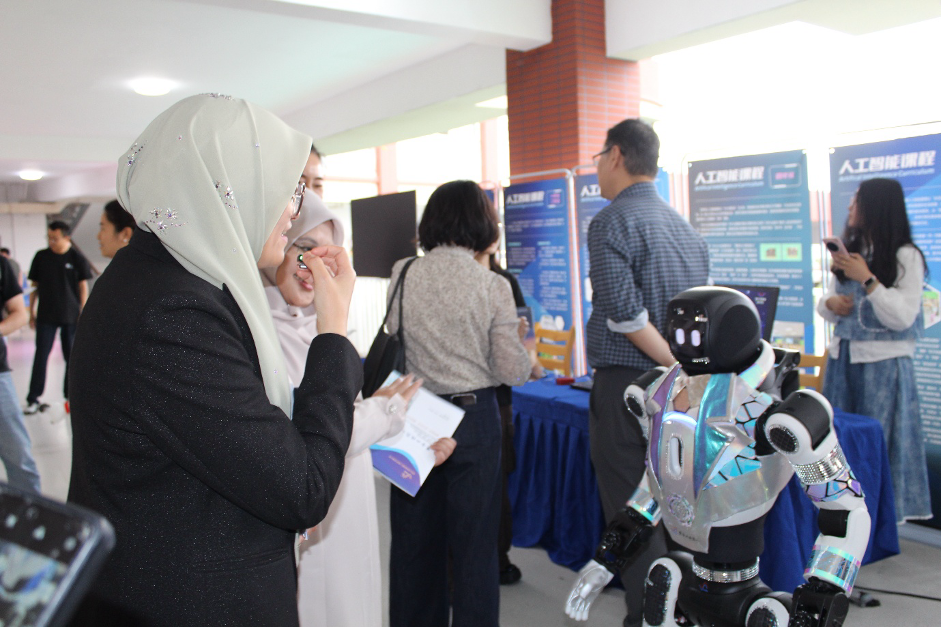
YBhg. Prof. Dr. Suriani, Deputy Vice-Chancellor (Centre for Innovation & Technology), UPSI, communicating with a robot at Lasa Road Primary School (Beijing West Road Campus).
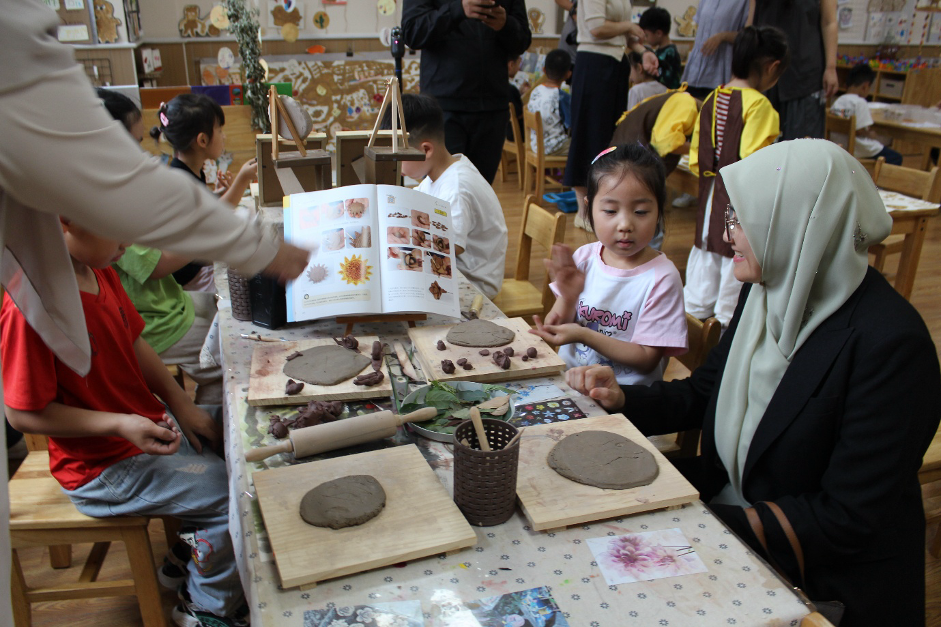
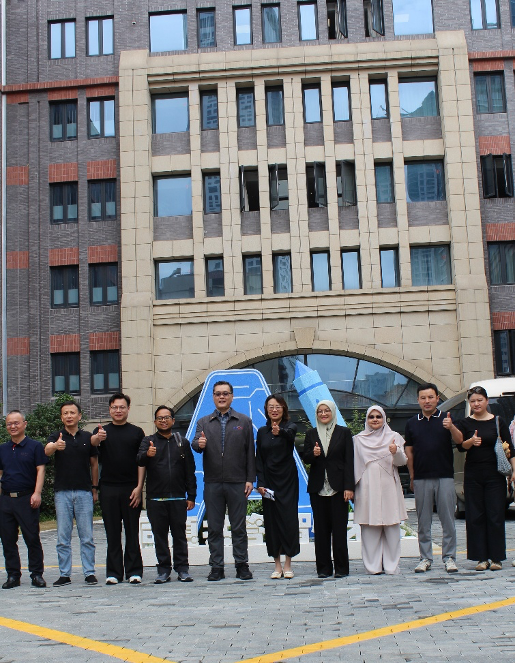
The UPSI delegation subsequently visited the Nanjing Institute of Education’s Artificial Intelligence Education Research Centre to gain insights into the city’s AI-driven educational ecosystem and best practices in integrating artificial intelligence into teaching and learning. The programme also included visits to Lasa Road Primary School (Beijing West Road Campus) and Nanjing First Kindergarten, where delegates observed innovative learning environments, STEM education practices, AI-supported classroom activities, and early childhood education innovations. The visits provided valuable exposure to China’s efforts in leveraging emerging technologies to enhance teaching quality and student learning outcomes.
Prof. Dr. Suriani noted that the visit reflects UPSI’s commitment to strengthening international partnerships and identifying best practices that can support Malaysia’s educational transformation agenda. She highlighted the importance of collaboration in advancing educational technology, AI applications, and future-ready learning environments.
The visit is expected to pave the way for future collaborative initiatives in educational technology, AI-enhanced learning, teacher professional development, and the co-development of innovative educational programmes aligned with the Malaysian curriculum. The collaboration is also expected to support UPSI’s ongoing efforts in educational innovation, future-ready learning, and the development of innovative school models that can contribute to Malaysia’s education transformation agenda while further strengthening educational ties between Malaysia and China.