

Norfarisa Qaisara Md.Rizuwan, Nurin Syuhada Che Ariff, Muhammad Umar AlHarith Noralias, Nurulsaidah Abdul Rahim & Suzaliza Mustafar
Tanjong Malim, 12 January 2026 – The Faculty of Science and Mathematics (FSM) proudly collaborated with 112 residents of Blok 1B, Bandar Tasik Puteri, Rawang in an innovative SULAM community-based programme titled SKICY From Trash to Treasure. This initiative was conducted by group F SKI3013 ICT in Chemistry, aiming to integrate academic learning content with meaningful community engagement.
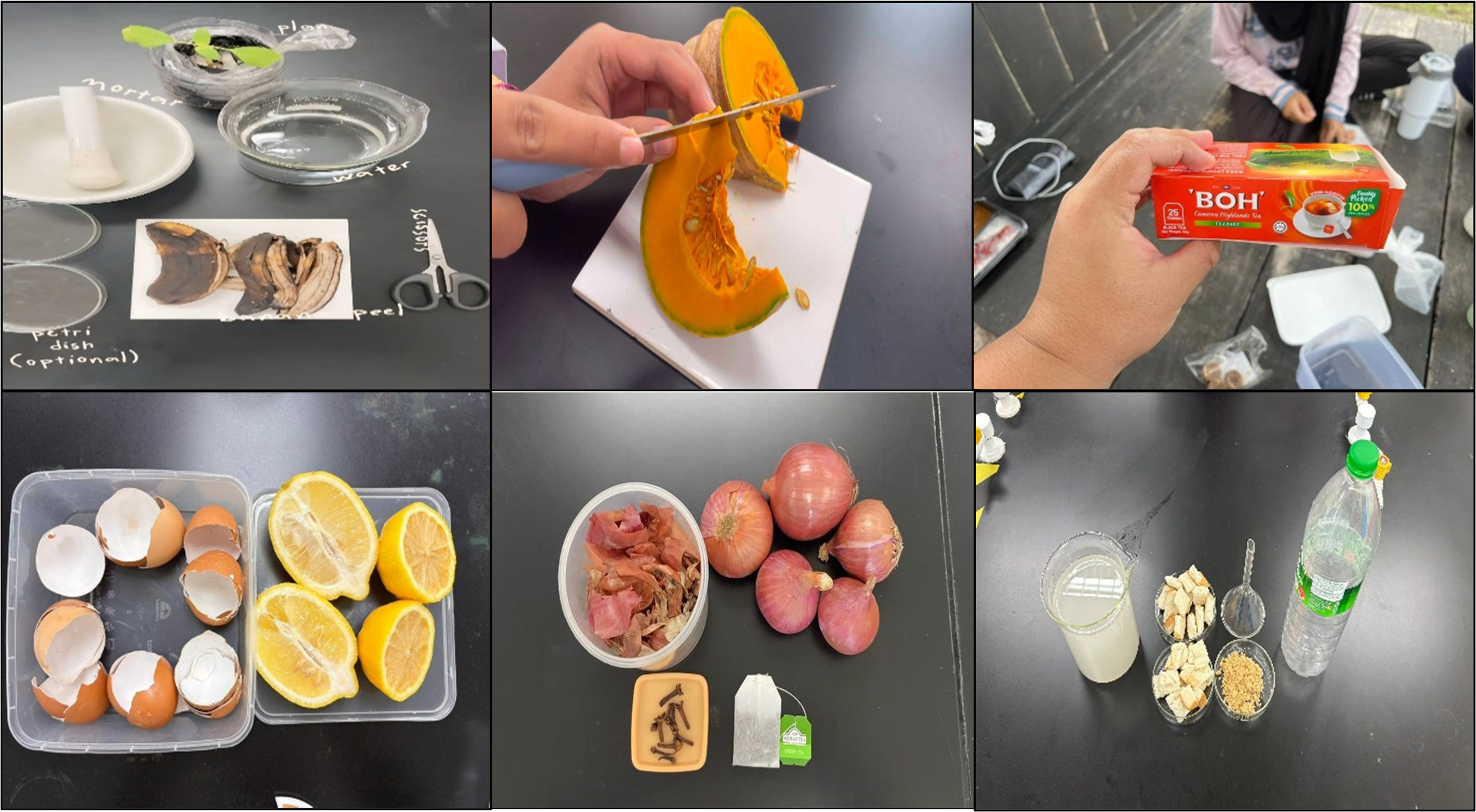
The programme focused on promoting environmental awareness and creative upcycling practices among the local community. By leveraging the popularity and accessibility of the TikTok platform, 25 of SKI 3013 students produced engaging educational content showcasing simple ways to transform household waste into useful or decorative items. These ingredients were easily accessible kitchen wastes such as banana peels, onion peels, used tea bags, and other biodegradable food scraps commonly found in households. This digital approach allowed residents of all ages to participate easily, view demonstrations, and share their own creations.
Through this collaborative effort, the SKI.CY programme successfully fostered environmental responsibility, strengthened university community bonds, and demonstrated the power of digital platforms in driving sustainable behavioural change. This programme was conducted in three phases.

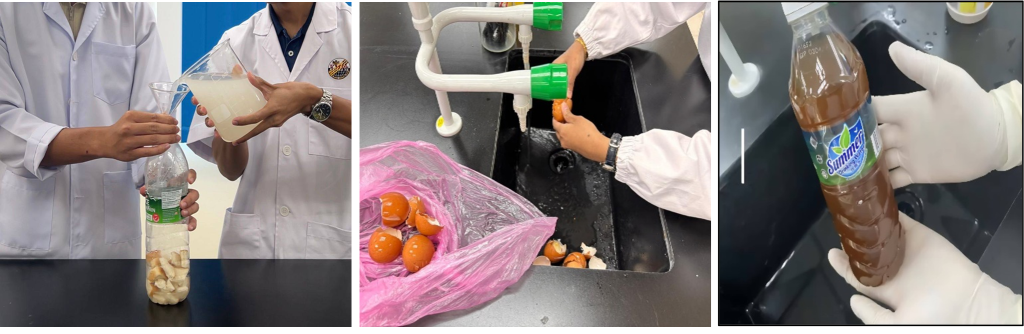
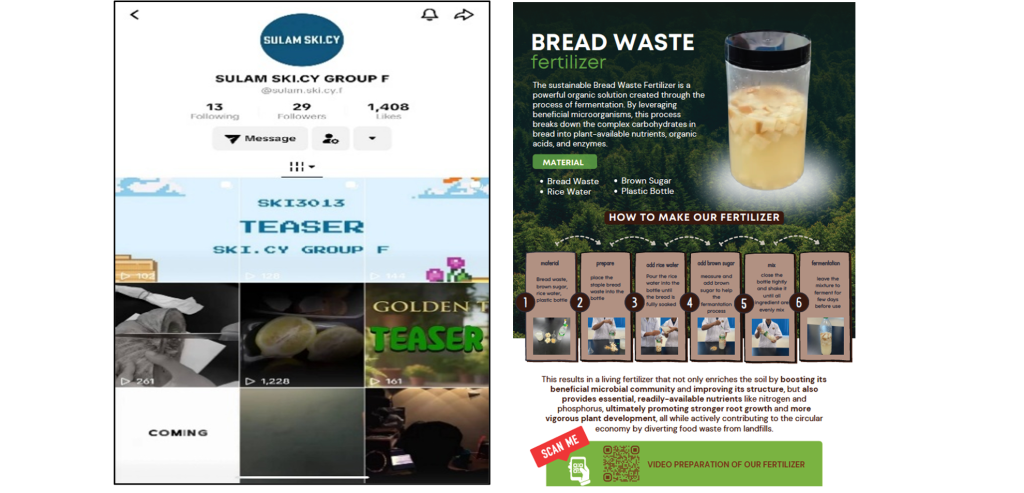
During the first phase, which lasted for two weeks, students prepared the fertiliser using food waste, demonstrating practical methods for transforming kitchen leftovers into valuable compost. Alongside this, they developed educational videos and infographics explaining the process, aiming to make the information accessible and easy to understand for the target community.
The second phase centred on outreach efforts conducted for three weeks. Students shared the fertilizer-making techniques with the community, guiding them through each step and highlighting the importance of waste reduction. In addition, the informational videos and infographics were disseminated through the TikTok platform to reach a wider audience, leveraging social media as an effective tool for community education and environmental advocacy.
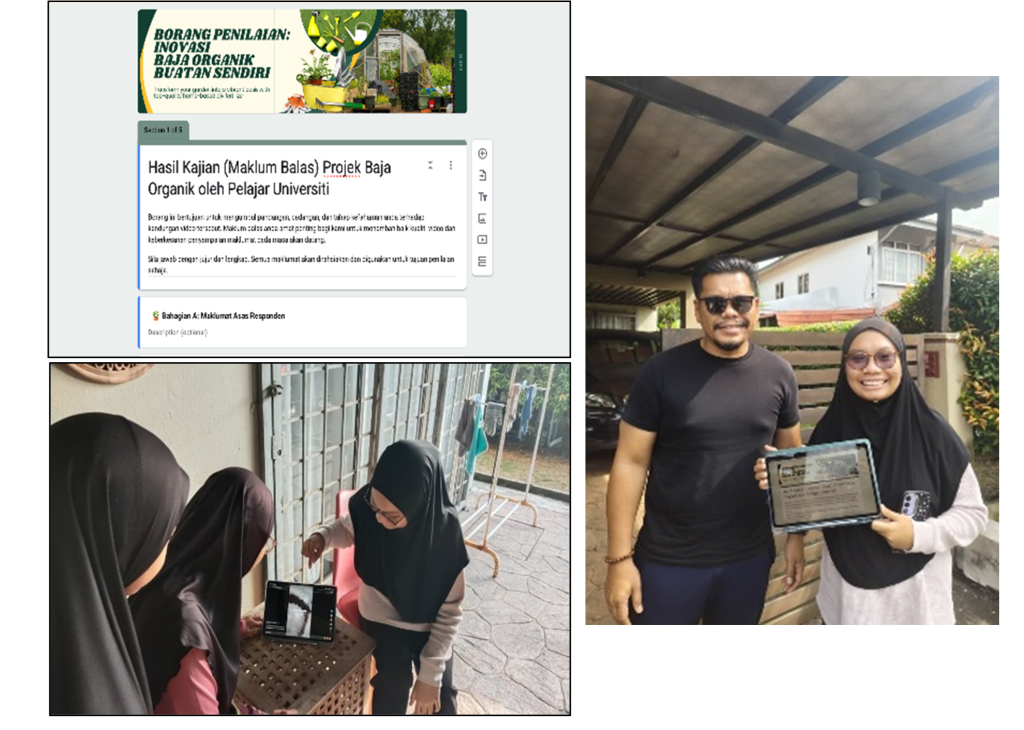
For final phase, students were collected feedback from the community regarding the advocacy activities. This allowed the students to evaluate the program’s impact, understand the community’s reception, and identify areas for future improvement. The feedback served as valuable insight into how well the content was understood and the extent to which the community was encouraged to adopt more sustainable waste management practices.
Overall, this advocacy SULAM project demonstrates that educational innovation can create significant impact when implemented together with the community. Through the involvement of residents in Blok 1B, Bandar Tasik Puteri, Rawang, this project successfully integrates scientific knowledge, technological skills, and environmental awareness into one inclusive initiative. This small effort is hoped to serve as a starting point for more sustainability programmes that encourage collaboration between educational institutions and local communities in the future.